Comprehensive Eye Exam
Bright Sight Optometry:Why a Comprehensive Eye Exam Matters

Think a Vision Screening Is Enough? Think Again.
You might say, "My vision is fine. l don't need a comprehensive eye exam.” However, we’ve seen it far too often when a seemingly routine eye exam turns into a life saving trip to the emergency room, or a discovery of congenital cataracts in a toddler, or a first clue in diagnosing a chronic medical condition.
For these reasons, your eye care family at Bright Sight Optometry believes you deserve more than a quick vision check. A vision screening is like getting your blood pressure checked without doing the rest of your physical. It gives you some helpful information but not the full picture of your eyes and visual system.
Our mission is to enhance your quality of life by helping you achieve and maintain clear and healthy vision because when you see clearly, you can truly live brightly.
What a Vision Screening Does (and Doesn't Do)
Measures distance vision only (visual acuity)
Does not check your near vision, which is critical for school-aged kids and for anyone older than 40 years old
Does not check how your eyes focus, work together, or move
Does not check your peripheral vision
Does not check your eye pressure, which is one of the “vital signs” of the eyes
Does not check for sight-threatening conditions or serious medical conditions that manifest in the eyes
Often conducted by non-eye-care professionals
Uses basic tools (like a wall chart) without advanced testing equipment
These screenings are often done at schools, health fairs, or during routine physicals, not by eye care professionals. They have limitations in training and tools compared to what is available at an optometry or ophthalmology clinic
What a Comprehensive Eye Exam at Bright Sight Optometry Includes
At Bright Sight Optometry, our comprehensive exams look at all aspects of your vision and eye health because seeing clearly is only part of living well.
External Eye Exam
We examine the whites of your eyes, cornea, iris, eyelids, pupils, and lashes. This helps us detect dry eyes, allergies, certain autoimmune conditions, cholesterol levels, and even microscopic mites that can live on eyelashes. When pupillary testing is abnormal, it can also signal possible neurologic problems.
Internal Eye Exam
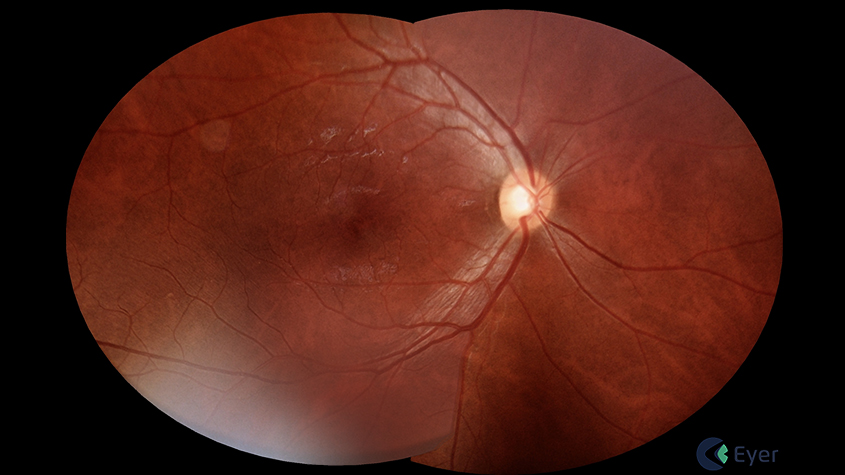
We evaluate the lens,vitreous, retina, and optic nerve looking for early signs of serious conditions like cataracts, glaucoma, macular degeneration, diabetes, hypertension, certain cancers, an impending stroke, and more. We offer dilated eye exams for a more comprehensive internal eye exam. If dilation is not desired, we also offer retinal imaging with our Eyer handheld camera.
Visual Function Testing
We test your peripheral vision, eye focusing, eye teaming, and eye movement. For pediatric patients, it’s also critical that we test depth perception and color vision. These tests help uncover issues causing eye strain, blurry vision, poor reading skills, or headaches and may even spot signs that point to neurological issues, prompting timely referrals when needed.
Glaucoma Testing
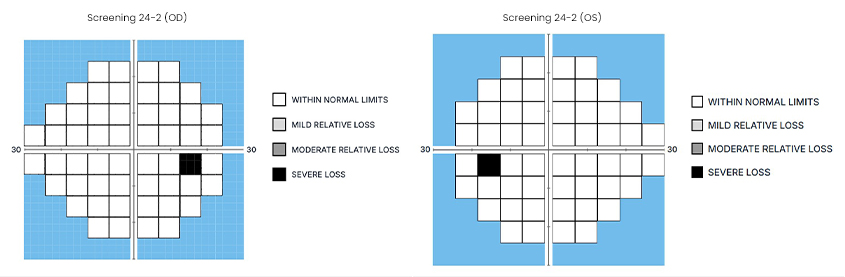
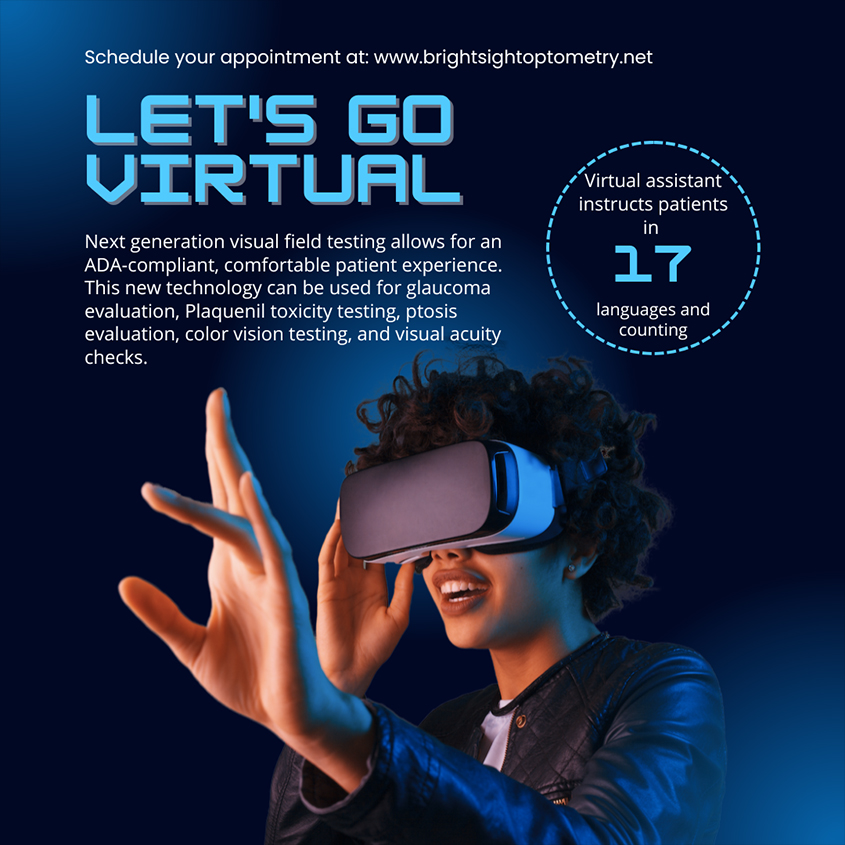
We measure the pressure inside your eyes to detect glaucoma, often called the thief of sight because it can progress without noticeable symptoms. But do not fear. We do not use an air puff machine. We use iCare, which is often tolerated more easily by patients. In addition, we use a Virtual Vision visual field to examine a patient’s peripheral vision. It is portable, user friendly, and fluent in 17 languages, making it easy and fun for young and not-so-young patients, regardless of their first language.
Precision Vision Testing
We check your vision with different lenses to see if glasses or contacts can improve it but more importantly, we ensure you're seeing 20/20 with ease, not just clarity.
We Look at the Whole You Not Just Your Eyes
Your eyes are connected to your overall health, so we take a holistic approach. During your comprehensive exam, we will talk about:
Your medical and family history
Any medications you're taking
Lifestyle habits like smoking, sun exposure, and screen time
In addition, we understand that your visual tasks are multi-faceted. The way you use your eyes is unique to you and your lifestyle. Therefore, we will ask about:
Visual tasks at work
Visual tasks at home
Hobbies like fishing, golfing, reading, knitting, etc.
These details help us protect your long-term eye health more thoroughly and provide glasses and contact lens recommendations more personally.
How Often Should You Get an Eye Exam?
The American Optometric Association recommends:
Infants (birth through 2 years): first comprehensive eye exam at 6-12 months of age
Preschool-age children (ages 3-5): at least one in-person comprehensive eye exam between ages 3 and 5
School-age children (age 6 up through teen years): a comprehensive eye exam before first grade and then annually thereafter
Adults 18 and older: annually
If “at risk” for certain eye diseases, you may need to be seen more frequently.
Even if you're not having symptoms, routine eye exams are critical for early detection of vision and health issues.
Our Mission: Helping You See Clearly and Live Brightly
At Bright Sight Optometry, we're here to do more than check your prescription. We're here to partner with you in protecting one of your most vital senses for today and for the future.
Because when you see clearly, you can truly live brightly.
Call us today at 909-435-0414 or book your appointment online:
Book Now
Helpful Articles
article_category: products
article_category: psychiatry
article_category: faqs
article_category: cats
article_category: general
article_category: services
article_category: technology
article_category: dogs
article_category: restorative
article_category: vision therapy
article_category: contact lenses
article_category: health
article_category: conditions
article_category: eye surgery co-management
article_category: exotic
article_category: cosmetic
article_category: surgical procedures
article_category: aesthetics
article_category: preventative
article_category: ocular disease management
article_category: eyeglasses
article_category: eye health
article_category: large animal
[]
article_category: psychiatry
article_category: faqs
article_category: cats
article_category: general
article_category: services
article_category: technology
article_category: dogs
article_category: restorative
article_category: vision therapy
article_category: contact lenses
article_category: health
article_category: conditions
article_category: eye surgery co-management
article_category: exotic
article_category: cosmetic
article_category: surgical procedures
article_category: aesthetics
article_category: preventative
article_category: ocular disease management
article_category: eyeglasses
article_category: eye health
article_category: large animal
[]
Flowbite is an open-source library of interactive components built on top of Tailwind CSS including buttons, dropdowns, modals, navbars, and more.
Check out this guide to learn how to get started and start developing websites even faster with components on top of Tailwind CSS.

All Eye Care Services
Discover personalized eye care excellence with our comprehensive services. From eye exams to advanced diagnostics, trust us for all your vision needs.

Quick Links
Contact Info
Hours of Operation
- Monday Closed
- Tuesday 9:00am - 6:00pm
- Wednesday Closed
- Thursday 9:00am - 6:00pm
- Friday 9:00am - 4:00pm
- Saturday 8:00am - 2:00pm
- Sunday Closed
- Monday 9:00am - 6:00pm
- Tuesday 9:00am - 6:00pm
- Wednesday 9:00am - 6:00pm
- Thursday 9:00am - 6:00pm
- Friday 9:00am - 6:00pm
- Saturday 8:00am - 2:00pm
- Sunday Closed
- Monday 8:00am - 5:00pm
- Tuesday
- Wednesday
- Thursday
- Friday
- Saturday
- Sunday
© 2026 Bright Sight Optometry. All rights Reserved - Accessibility Statement - Privacy Policy - Sitemap
Managed and Designed by 